

Global Trade and Australia in the Wake of Trump’s ‘Liberation Day’ Tariffs
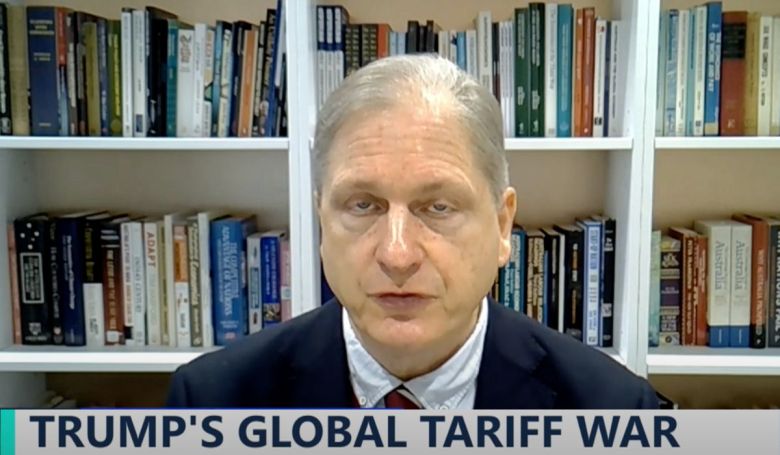
By Prof Tim Harcourt – The Airport Economist
President Trump’s “Liberation Day” trade doctrine, rolled out on April 2, 2025, introduced sweeping “reciprocal” tariffs, starting with a 10 % universal baseline on most imports and escalating to higher country-specific rates based on alleged trade barriers. Australia, reflecting its close ties with the U.S., was assigned the lowest additional tariff, with its overall rate staying at 10 %.
Despite being among the more modestly impacted nations, Australia’s export-oriented sectors, particularly agriculture, wine, and resources, stood to bear the brunt of increased costs and market uncertainty. According to Professor Tim Harcourt (Industry Professor & Chief Economist at UTS), Trump’s tariffs are increasingly being wielded as geopolitical tools rather than conventional trade measures. This convergence places Australian exporters in a vulnerable position, especially as they navigate elevated costs and volatile policy shifts.
Australia’s leadership opted not to retaliate with its own tariffs; Treasurer Jim Chalmers emphasised a strategy rooted in resilience, not tit-for-tat responses. The government is instead pursuing stronger economic relationships with Asia, Europe, and other partners to offset U.S. exposure.
Furthermore, the Reserve Bank of Australia (RBA) cautioned that such tariffs could dampen global growth, investment, and inflation dynamics, prompting monetary easing, including a cash rate cut, to pre-empt potential spillover effects.
In summary, while Australia escaped the worst of the “Liberation Day” hit, the indirect repercussions on trade sentiment, cost pressures, and policy unpredictability underscore ongoing risks for its exporters, a reality keenly highlighted by Tim Harcourt’s commentary.