

Government
Australia and India in a Shifting World: Why Middle-Power Cooperation Matters More Than Ever
By Rajiv Chaudhri, Editor-in-Chief
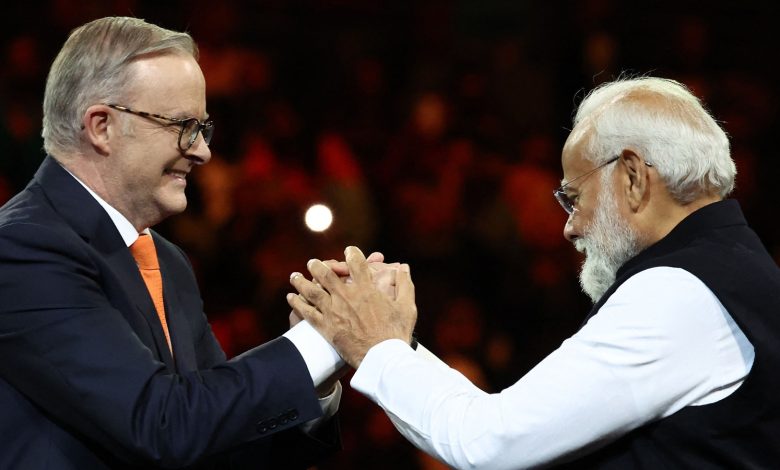
The global strategic landscape is undergoing a profound recalibration. Long held assumptions about alliances, multilateralism, and great power responsibility are being tested, particularly by the increasingly transactional approach of the United States and the evolving dynamics between Washington and Beijing. For countries like Australia & India, both influential middle powers, this moment presents not only challenges, but also a compelling opportunity for deeper collaboration.
India’s foreign policy over the past two decades has been defined by balance: strong engagement with the United States, enduring ties with Russia, growing links with Europe, and a cautious approach towards China. Recent geopolitical shocks, from global conflicts to uncertainty in U.S. strategic commitments, have reinforced India’s long-standing emphasis on strategic autonomy. This approach resonates strongly with Australia’s own foreign policy instincts: pragmatic, regionally focused, and committed to a stable, rules based Indo-Pacific.
For Australia, India’s steady rise as an economic, technological, and diplomatic force is of direct relevance. As uncertainties grow around great-power rivalry, Canberra and New Delhi share a common interest in preventing the Indo-Pacific from becoming a theatre of zero-sum competition. Both countries benefit from an open maritime domain, resilient supply chains, and respect for sovereignty and international law.
Australia-India cooperation is already on solid ground through forums such as the Quad, expanding defence exercises, education partnerships, and growing people-to-people ties. However, the current global flux demands that this relationship move beyond symbolism to greater strategic depth. There is clear scope for collaboration in critical minerals, clean energy, cyber security, artificial intelligence, and defence manufacturing, areas vital to long term economic security for both nations.
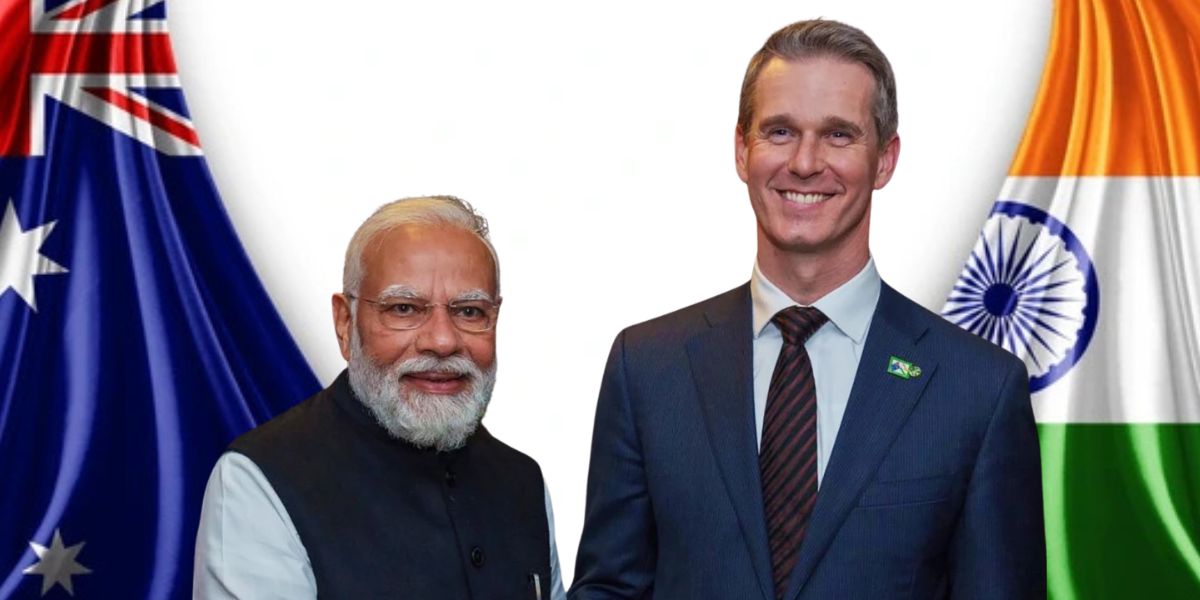
Equally important is diplomatic coordination. As traditional multilateral institutions weaken and global leadership becomes fragmented, Australia and India can work together with other middle powers to shape outcomes rather than merely react to them. Whether on climate action, technology governance, or regional stability, their combined voice carries weight.
At a time when predictability in global affairs is diminishing, Australia and India’s partnership stands out as a stabilising force, anchored in shared democratic values, mutual respect, and a clear understanding that collaboration, not confrontation, is the pathway to regional and global resilience.
Follow Us