

Embracing the Southern Sun: An Indian Designer’s Take on Australian Summer Trends
By Rahul Singh
As the seasons flip hemispheres, Australia slides into summer just as India cools into winter. That contrast has always fascinated me — what Australians call “summer dressing” carries a freshness, lightness, and ease that we in India can learn from.
Over the past few seasons, especially through Australian Fashion Week and resort showcases, I’ve noticed a current of ideas that feel both rooted in local identity and globally relevant.
Trend Highlights from Australia’s Runways & StreetsSoft, Flowing Silhouettes & Relaxed Tailoring. 
Australian designers are moving away from rigid structures toward garments that breathe — fluid drapes, bias cuts, tonal pastels, and soft tailoring. Linen suiting, relaxed blazers, wide-leg trousers, and shirt dresses in airy fabrics are redefining staples.
Soft, Flowing Silhouettes & Relaxed Tailoring
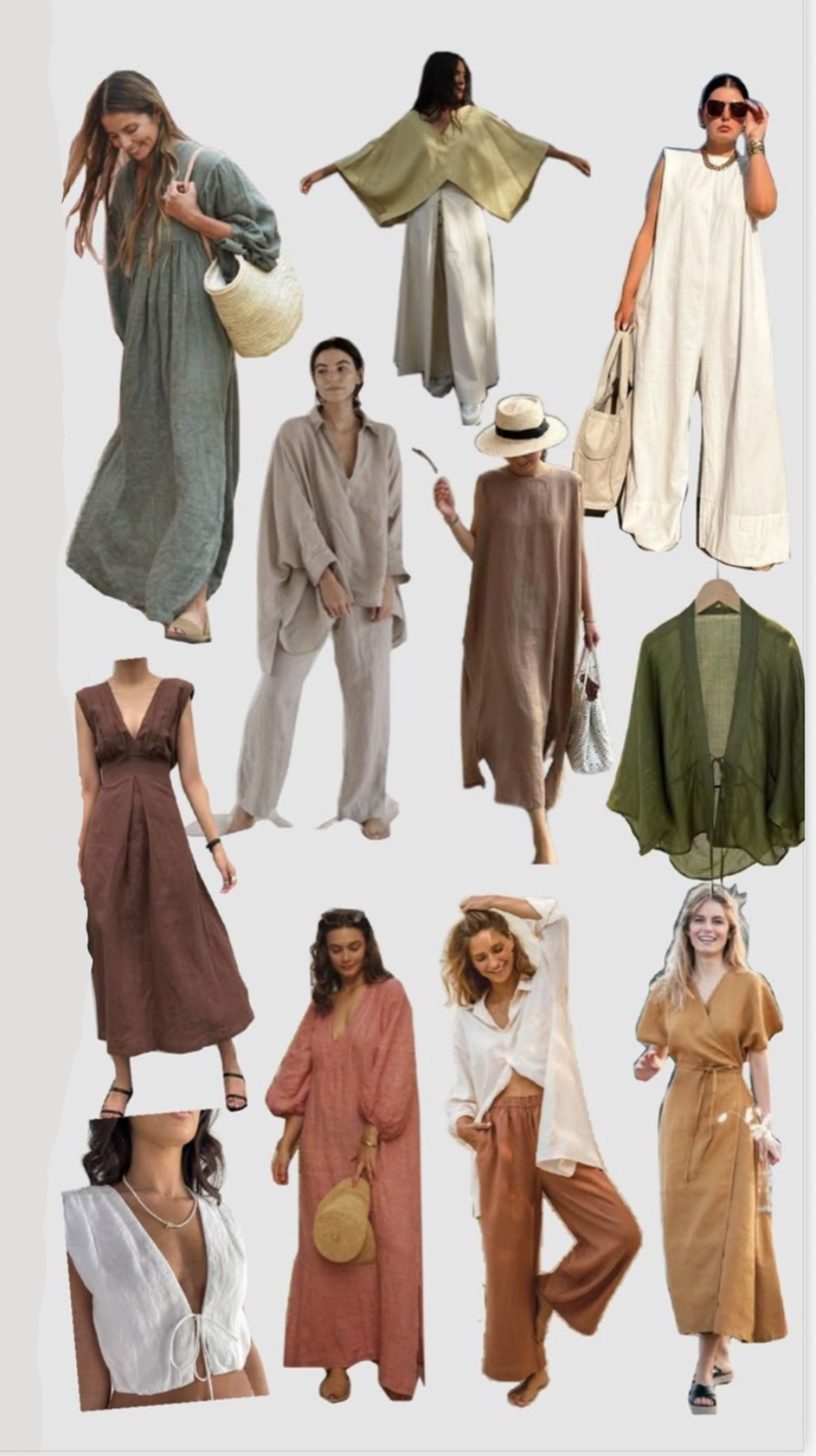
Australian designers are moving away from rigid structures toward garments that breathe — fluid drapes, bias cuts, tonal pastels, and soft tailoring. Linen suiting, relaxed blazers, wide-leg trousers, and shirt dresses in airy fabrics are redefining staples.
For me, this resonates with India’s own drape heritage. I love the idea of a blazer that moves like a robe, or a dress with structured lines softened by generous folds — a true dialogue between tailoring and flow.
Pastels, Sorbet Shades & Tone-on-Tone

Australia’s summer palette whispers rather than shouts — pale greens, peaches, lilacs, and tone-on-tone layering. It’s a refreshing shift from the bolds of tropical fashion, expressing quiet confidence: that color doesn’t have to be loud to make a statement.
Crochet, Open Work & Light Layers

Crochet tops, mesh knits, and airy layers are emerging as versatile staples. They play with opacity and transparency, perfect for coastal climates — and, to me, echo the artisanal intricacy of Indian chikankari or jaali work.
Ruffles, Fringing & Romantic Detailing
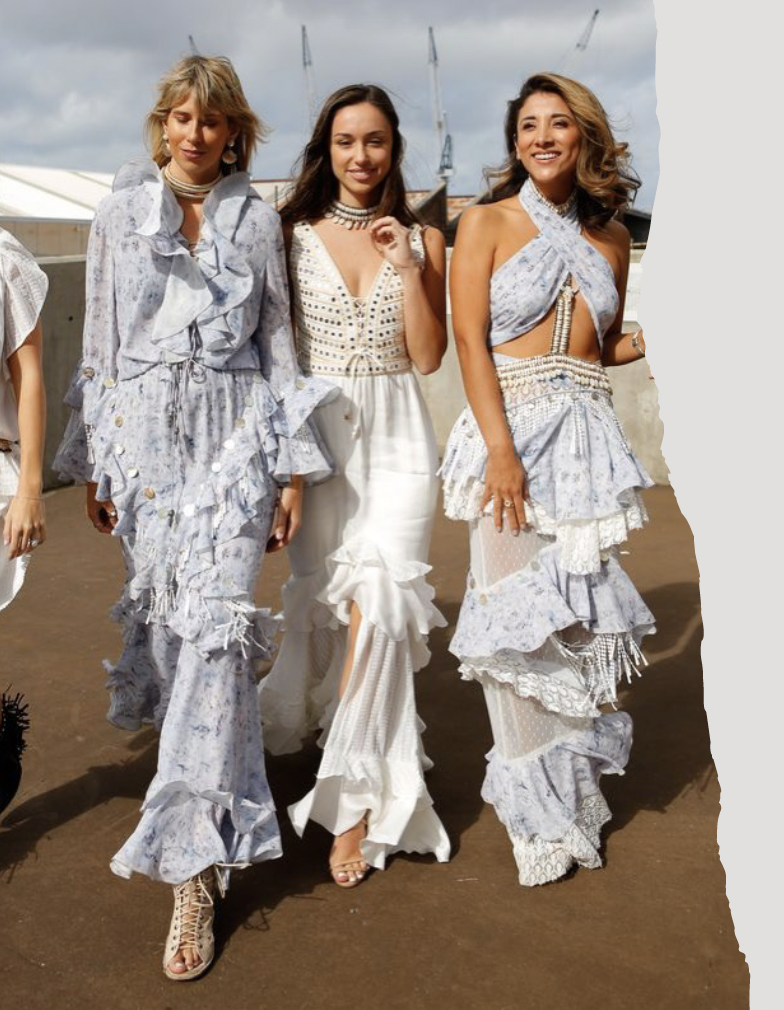
Romantic details like ruffles and fringing are back — but reined in Instead of dramatic cascades, designers are using them as accents: flutter sleeves, a soft hemline trim, or a slim fringe border. Its ornamentation reimagined with restraint.
 Basket Bags, Raffia & Natural Textures
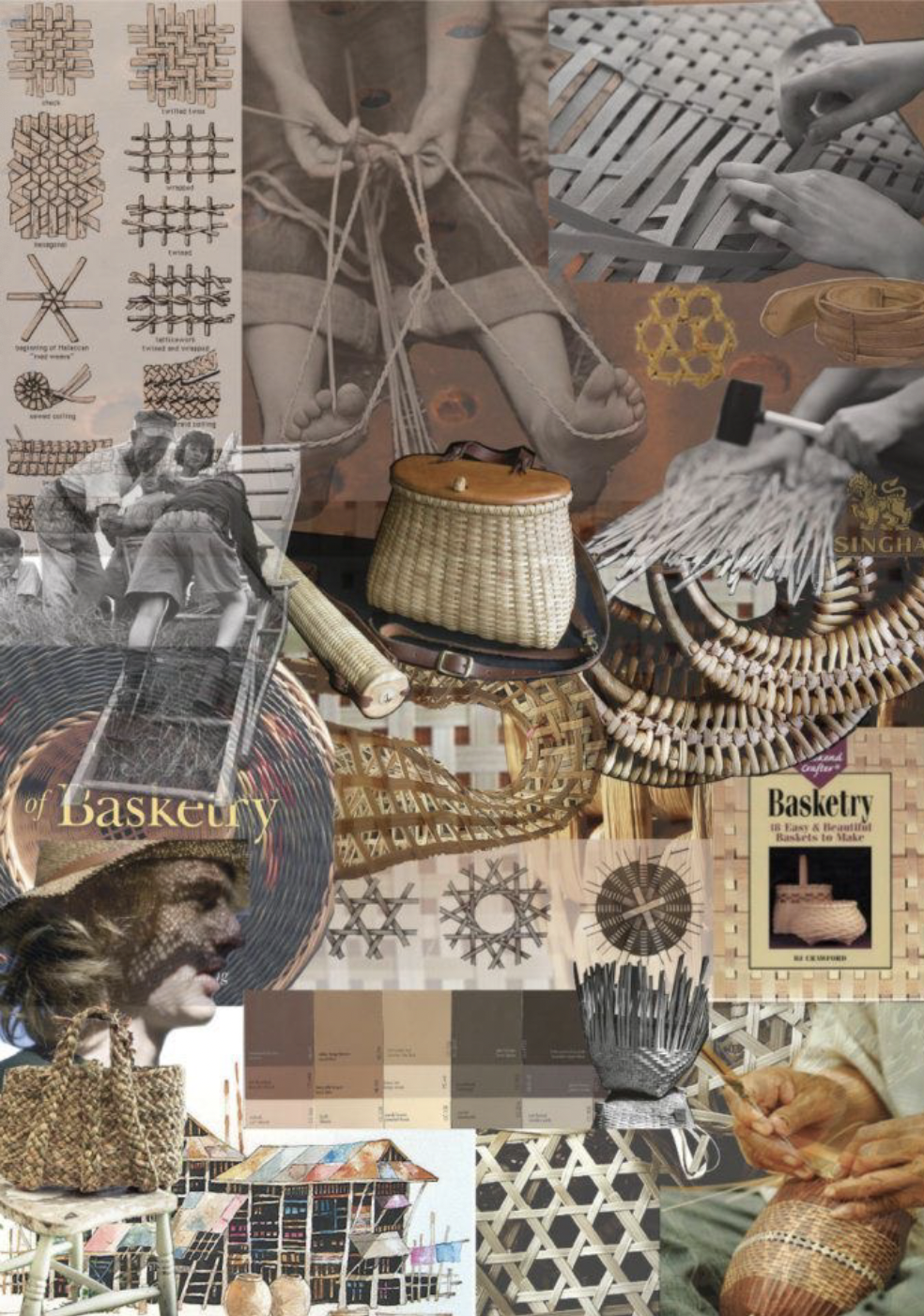
Accessories embrace nature — raffia, straw, and basket weaves dominate. They pair beautifully with fluid garments, adding a grounded, handmade contrast. It’s lifestyle meeting craftsmanship, and I see a clear bridge here to Indian jute and coir traditions.
 Sustainability & Local Craft Echoes
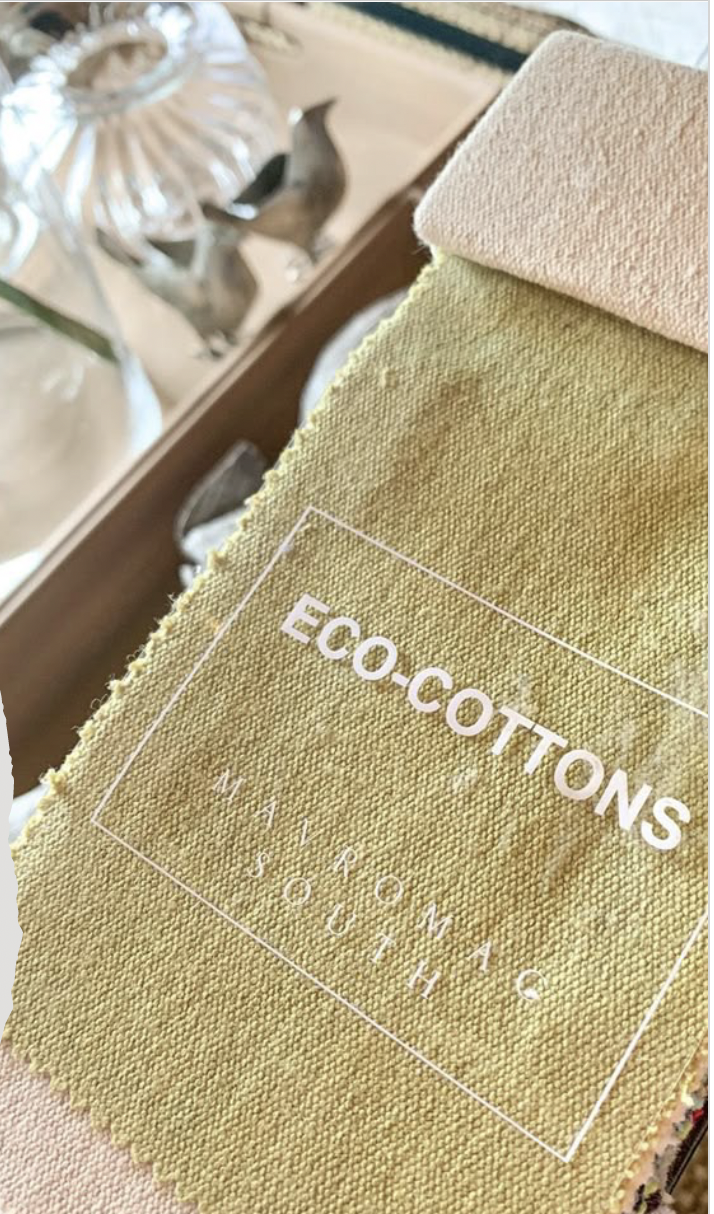
Sustainability isn’t a niche conversation in Australia —it’s foundational. Designers are using low-impact dyes, ethical production, and indigenous references with deep respect. Especially through the First Nations showcases, fashion becomes cultural dialogue, not tokenism.
Reimagining Australian Summer Through an Indian Lens
If I were to design an “Australian-summer-inspired” capsule, it would be about translation, not imitation.
- Fabric Fusion: Handloom linens, khadi, and cotton-linen blends tailored into fluid silhouettes — perhaps a pastel linen blazer with ajrakh or bandhni print peeking through the lapel.
- Layered Transparency: Crochet meets chikankari; Indian thread-lace layered under open jackets, merging texture and breathability.
- Subtle Accents: Minimal ruffles at seams or soft fringes at hems — all in pastel tones for quiet drama.
- Natural Accessories: Coir, jute, or banana-fiber weaves reimagined into totes, belts, or hats — Indian crafts adapted for coastal ease.
- Sustainable Expression: Indigo, botanical prints, and natural dyes in soft sorbet palettes — merging sustainability with soul.
- Ease in Movement: Even in tailored forms, slit panels or gussets ensure garments move with the body — a nod to the Australian breeze, shaped by Indian craft discipline.